Let me tell you, nothing ruins a bluebird powder day faster than losing feeling in your feet halfway down the run. I’ve had it happen at Perisher, at Hotham, and even in Japan’s deep pow. You think you’ve prepped everything just right, then five turns in, your toes are numb, and the only thing you’re dreaming of is the fireplace back at the lodge. So why does it happen, and what can you do about it?
After 20-odd winters chasing snow in Australia and beyond, I’ve tested more than a few ways to fend off the frosty foot curse. Here’s what actually works to keep your feet warm and comfortable in even the most extreme temperatures.
Contents
- 1 1. Start Warm, Stay Warm: The Prep Work
- 2 2. Choose the Right Ski Socks (One Pair, Not Two!)
- 3 3. Fit Matters: Boots That Aren’t Blood-Stopping Tight
- 4 4. Keep Your Core Toasty (Your Feet Will Thank You)
- 5 5. Use Boot Warmers or Heated Insoles (Game Changer)
- 6 6. Take Smart Breaks to Restore Warmth
- 7 7. What Not to Do (From Personal Experience)
- 8 Bonus Tips for Aussie Ski Trips
- 9 Final Thoughts
- 10 FAQ
1. Start Warm, Stay Warm: The Prep Work
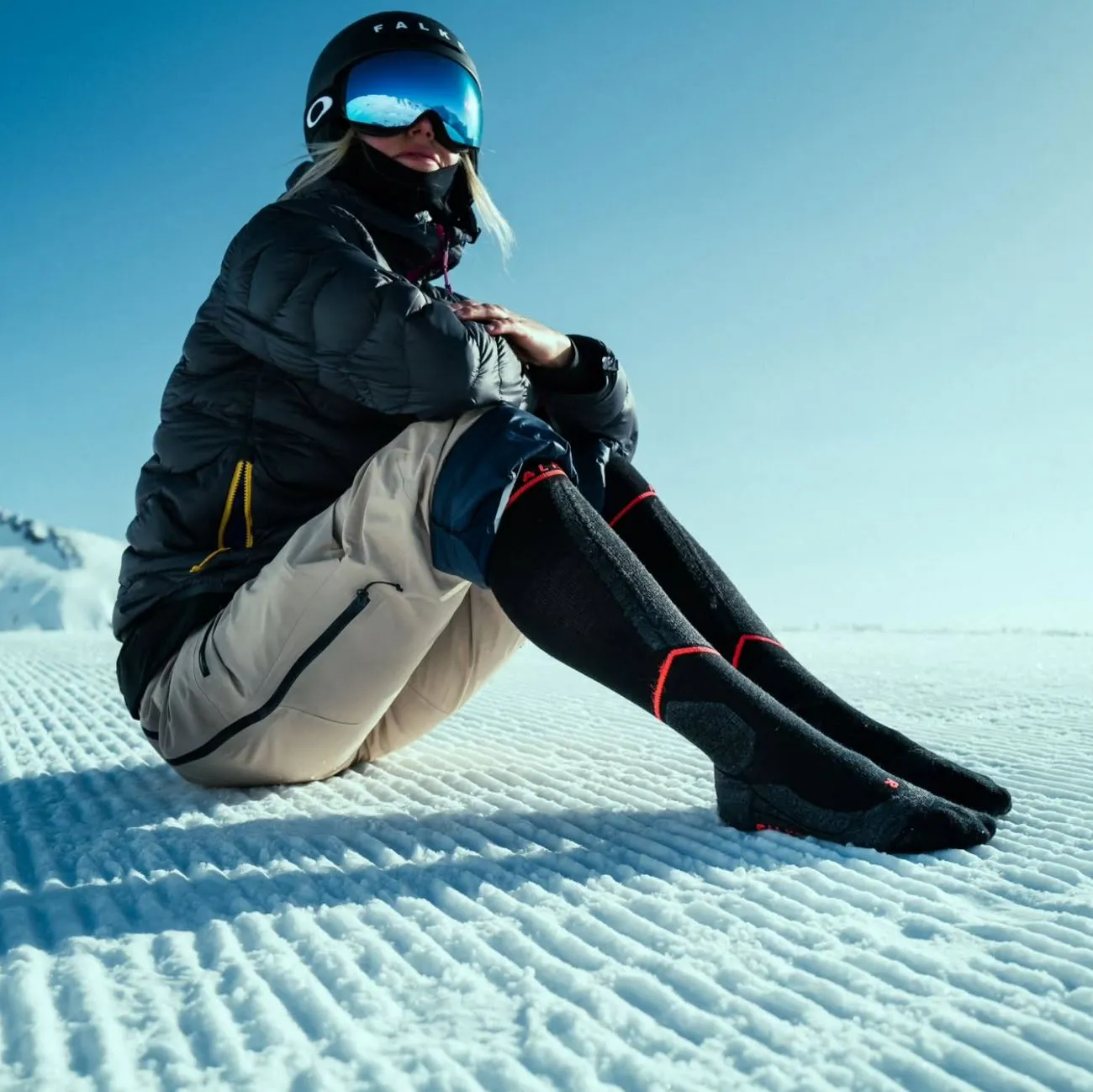
It might sound obvious, but the best defence against cold feet is starting warm. You can’t expect to crank up the heat once you’re already frozen solid.
Pre-ski checklist:
- Dry socks only: Even a tiny bit of moisture sets you up for icy misery. Always start the day with bone-dry, clean socks.
- Warm your boots: Don’t put your foot into a cold boot. Store them inside overnight. Cold boots kill the vibe fast. Use boot driers or pop boot warmers in if you’ve got them, or blast the liners with a hairdryer.
- Do a warm-up: A brisk walk or a few squats before you click in will get the blood circulation flowing and your core temperature up.
Warming up before you ride the lift makes a massive difference before heading off on any skiing day, especially if you’re coming from a Mt Beauty base camp or adding it to a Snowy Mountains road trip with Autopia Tour.
If you’re joining a Mt Buller day trip package, give yourself time to stretch and hydrate on the way up so you’re not scrambling to warm up once you arrive.
2. Choose the Right Ski Socks (One Pair, Not Two!)
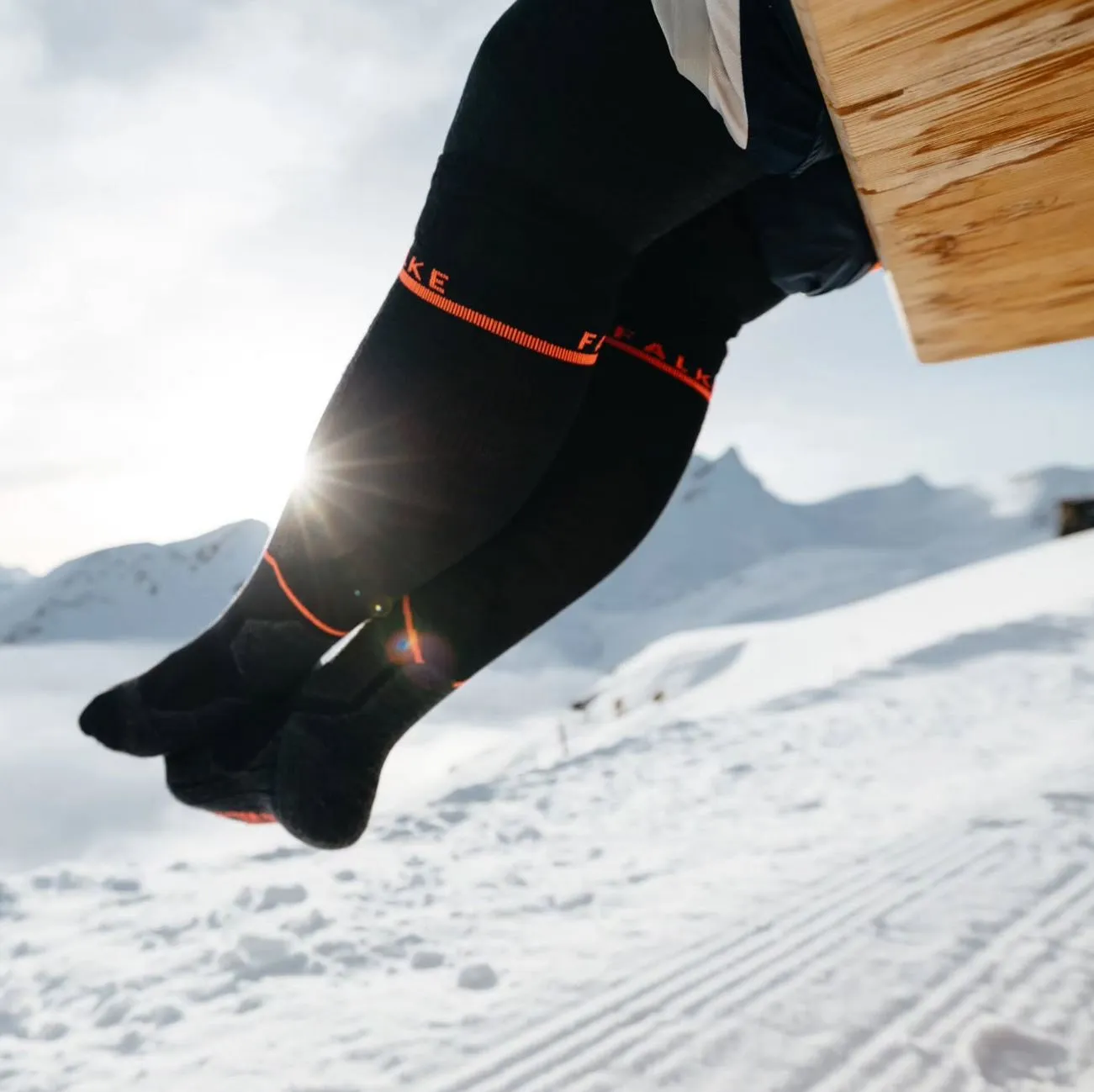
This one’s a classic rookie mistake. Two pairs of socks don’t mean double the warmth. They mean double the pressure, poor boot fit, and sweaty feet that get cold faster.
Here’s the go:
- Thin, wool-blend ski socks are your best mate. Synthetic blends with merino are an excellent option — they insulate even when damp and help wick away cold water.
- Avoid cotton: Cotton traps moisture and freezes. Bad gear choice.
- Don’t bunch them: Smooth boot socks = no pressure points = more comfort and extended warmth.
A good pair of ski socks is an affordable solution to a cold feet issue. Look for brands using advanced materials that balance warmth and breathability.
3. Fit Matters: Boots That Aren’t Blood-Stopping Tight
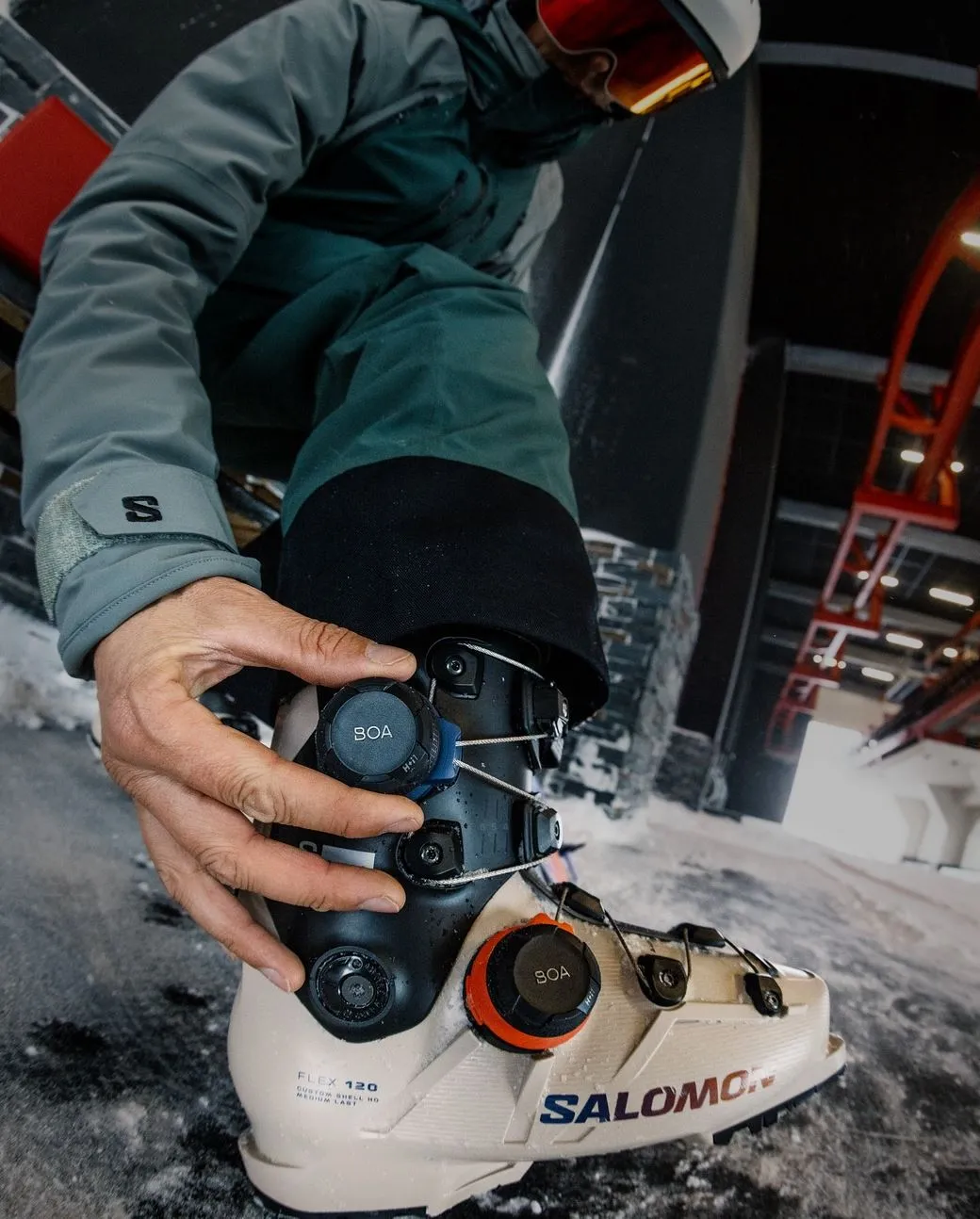
Your ski boots should be snug but not circulation-crushing. If your feet go numb before your first run, that’s a fit issue — not just the cold weather.
Check for:
- Enough toe wiggle when buckled up
- No sharp pressure points on the instep or around boot buckles
- Room for blood flow — especially in the forefoot
A professional boot fitter can help you nail the right fit. Custom footbeds, shell punches, and heat-mouldable liners can make the entire boot more comfortable and warmer.
Got cold feet despite all this? A boot glove — basically an insulated shell for the outside of your boot — adds an extra layer and can trap continued heat inside.
Wildlife Tours often stops in town near Falls Creek for their scenic itineraries, and if you’re joining them for a snowy adventure, make sure your boot fit is sorted before hitting the slopes.
4. Keep Your Core Toasty (Your Feet Will Thank You)
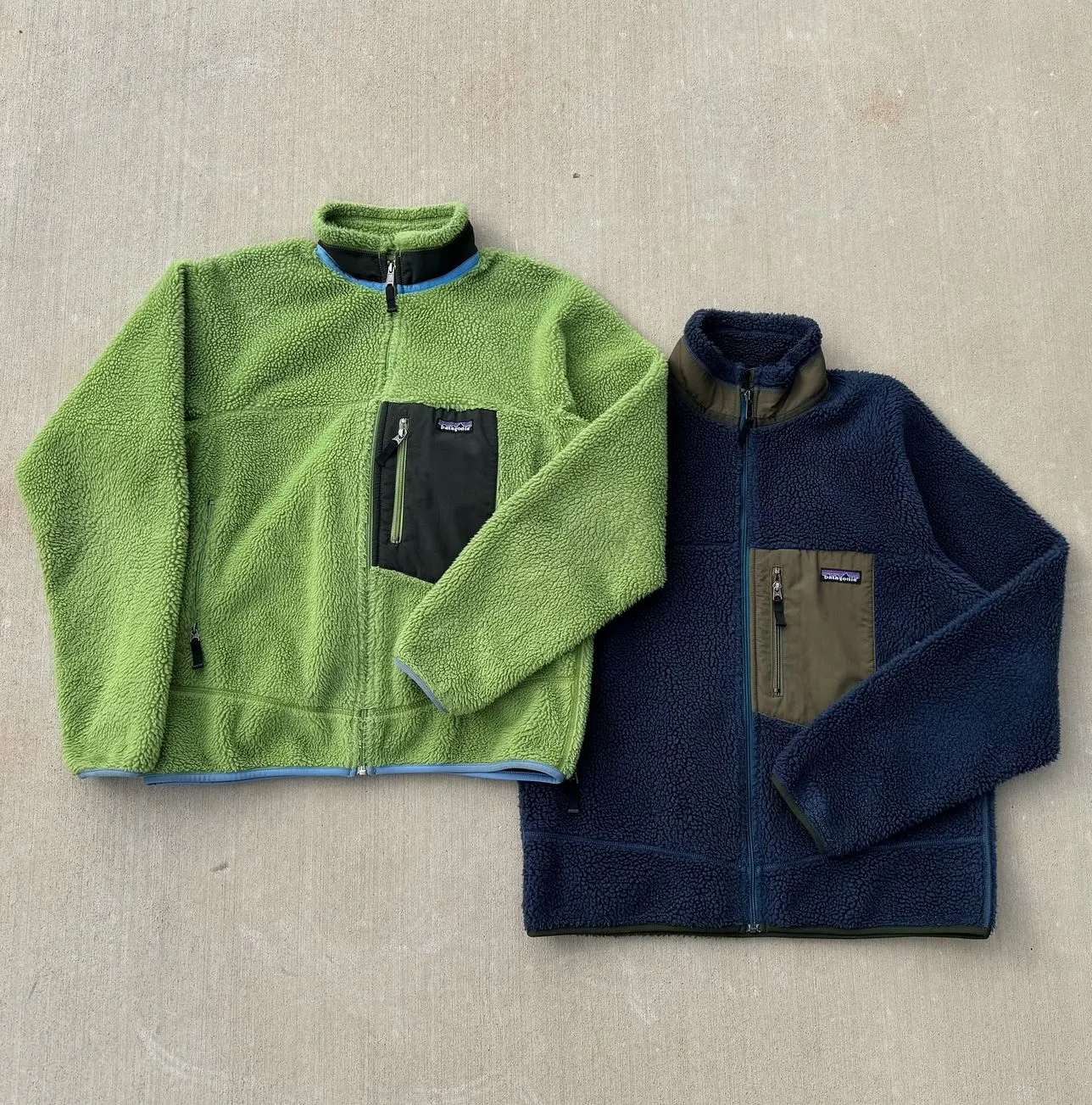
Here’s the secret no one tells you: cold feet often start with a cold torso. Your body prioritises core body temperature. If your middle’s chilly, your extremities — like feet and hands — get the blood flow cut off.
So layer up smart:
- Thermal base layer (synthetic blends or merino wool)
- Insulated mid-layer (down jacket or fleece)
- Breathable jackets with windproof shells
Don’t forget a neck warmer or balaclava. It helps retain body heat and maintain proper circulation to your fingers and toes.
Heading to Lake Crackenback before or after your ski resort stop? That extra layer makes a difference when temps drop sharply after sunset — trust me.
And if you’re booked on a Mt Buller trip package, be prepared for early morning chills and exposed chairlift rides — core warmth is your best mate.
5. Use Boot Warmers or Heated Insoles (Game Changer)
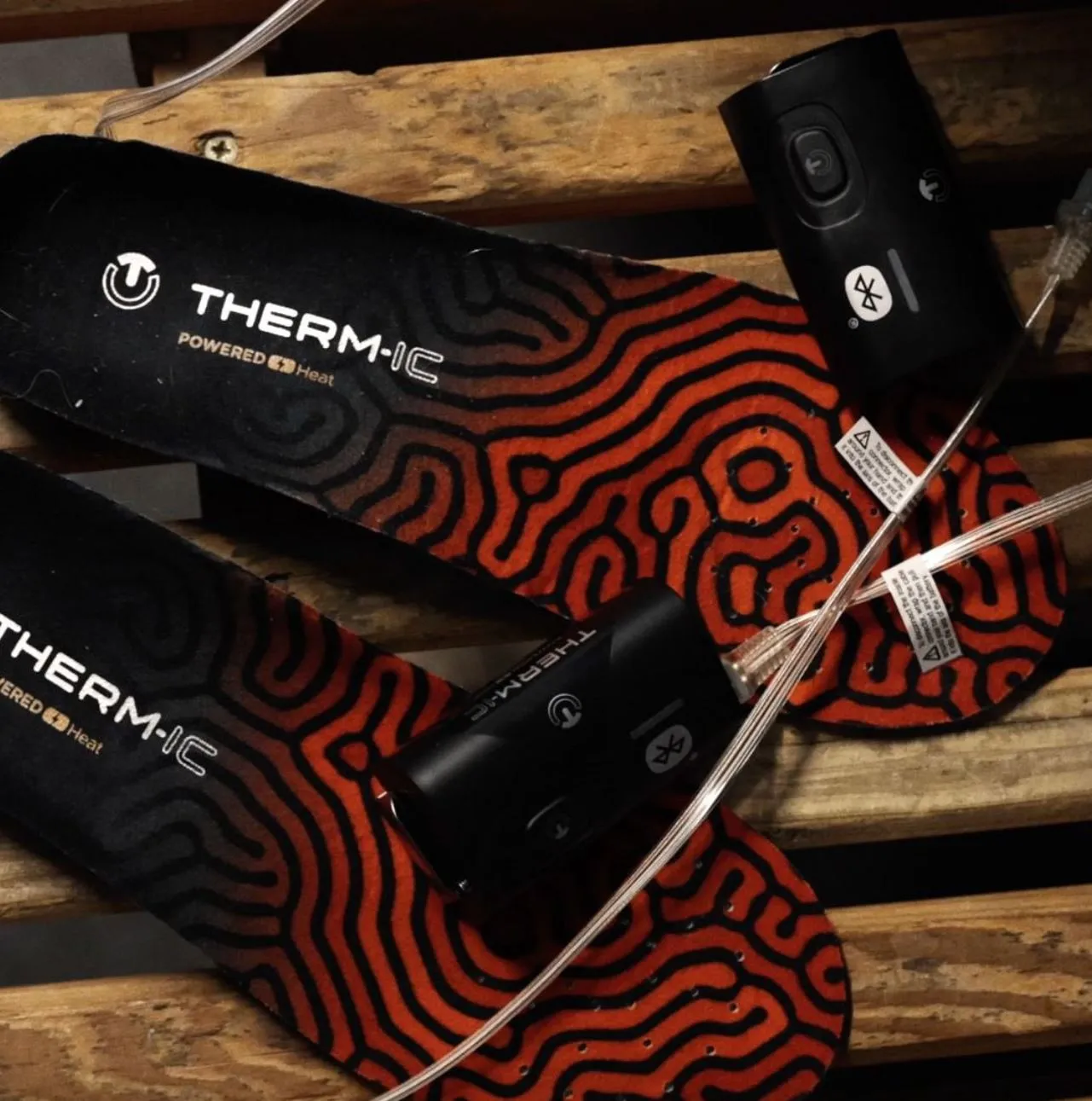
When the cold weather turns cruel, it’s time to bring in the big guns.
Choose your warmer feet weapon:
- Battery-powered heated socks: Perfect for a day of skiing, these keep toes warm for a couple of hours on the hottest setting.
- Boot heaters or heated insoles: Built into the entire boot, offering continued heat and adjustable levels
They’re not just for luxury skiers. Anyone with poor circulation or cold feet issues — beginner skier or experienced skier alike — can benefit.
Brands like Therm-ic and Hotronic are popular across ski resorts for good reason.
Autopia Tours runs some excellent multi-day options through the Victorian Alps — and after spending all day outside, warm boot tech is worth every cent.
6. Take Smart Breaks to Restore Warmth
Let’s be real: no matter how much gear you’ve got, sometimes cold temps win. Don’t power through if your feet feel like bricks.
Mid-ski tips:
- Head into a lodge or café
- Loosen your boots to boost blood circulation
- Change into a dry pair of socks (always pack an extra pair)
- Move around — don’t just sit. Keep the extremities warm.
Even a five-minute reset can restore comfort level for your next few runs.
7. What Not to Do (From Personal Experience)
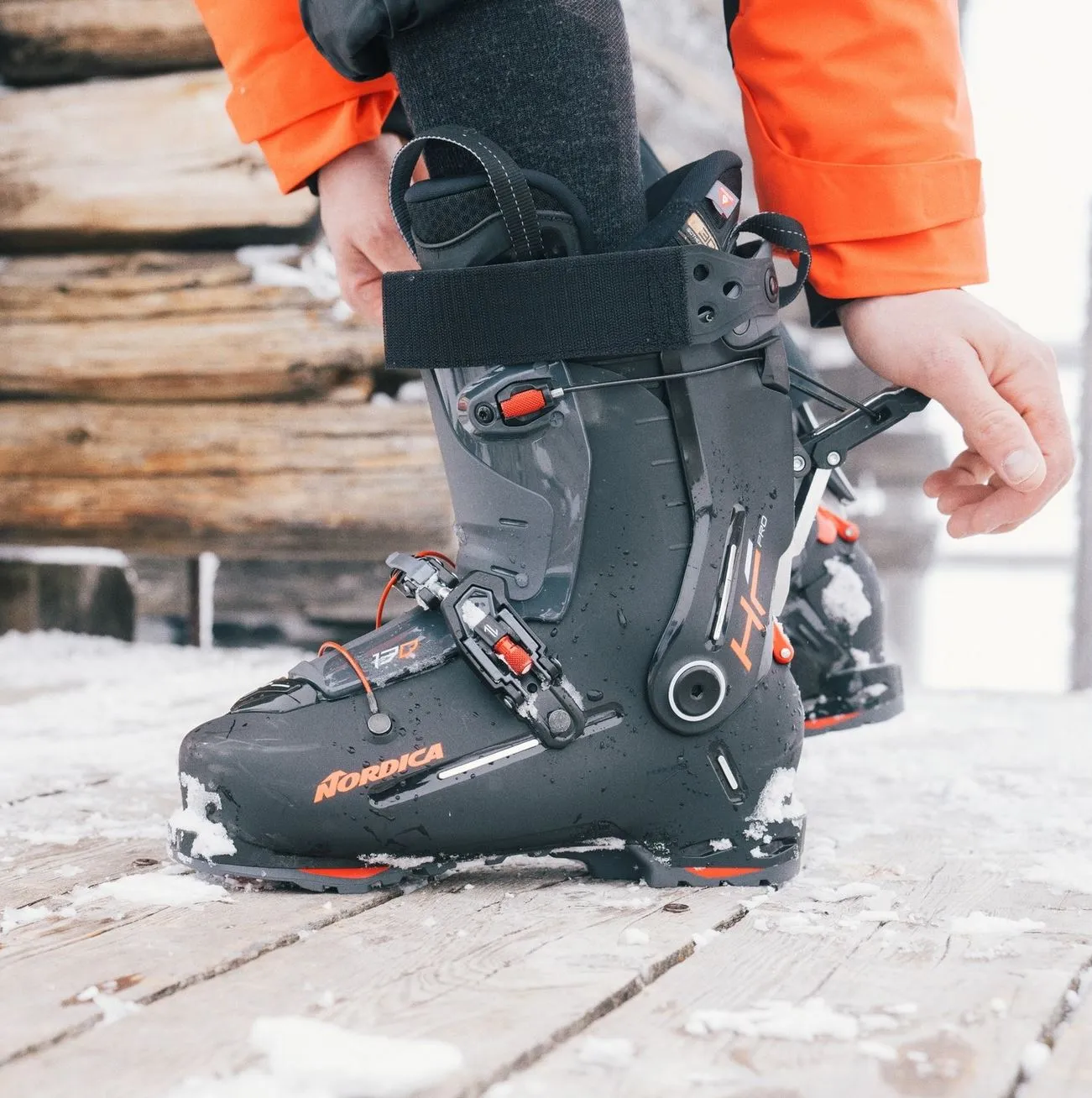
I’ve tried the hard way so you don’t have to:
- Don’t over-tighten boot buckles: It restricts blood flow and leads to colder feet.
- Don’t tuck pants or thermals into your boots: It affects the boot fit and traps cold water.
- Don’t forget to dry boots overnight: Cold boots in the morning = terrible skiing day.
- Don’t rely on bulky layers alone: You want warmth without losing mobility.
Even on a Wayoutback Tours alpine trip where everything’s planned to perfection, bad habits like these can derail your comfort.
Bonus Tips for Aussie Ski Trips
Whether you’re heading to Falls Creek, Mt Buller or Thredbo:
- Snow conditions change rapidly — icy in the morning, slushy by arvo
- Feet dry = feet warmer — moisture control is key
- Pack spares: extra socks, glove liners, and maybe a boot glove
- Check the snow report before heading out — you’ll know if a more aggressive option is needed
At busier resorts, aim to take breaks outside peak lunch hours so you can warm up without the crowds.
If you’re on a Mt Buller tour package, use the coach ride home to swap socks, stretch, and reflect on the day’s runs while your gear dries out.
Final Thoughts
There’s nothing like that first chairlift ride with perfectly warm feet and a fresh layer of snow ahead. Whether you’re on your first ski trip or your fiftieth, managing cold feet is key to enjoying your time on the mountain.
Invest in warm skiing gear, choose the right ski socks, fit your ski boots properly, and layer up to maintain core temperature. Take breaks, hydrate, and avoid bad habits (like wearing two pairs of socks!).
Whether you’re road tripping to the snow with Wildlife Tours or just squeezing in a cheeky weekend shred, warm feet are non-negotiable.
At the end of the day, skiing is meant to be fun — and frozen feet aren’t part of the package. Prioritise your feet and they’ll carry you happily through the entire ski trip.
Got a go-to warm feet hack for cold temps or bad weather days? Share it in the comments. I love hearing real-person tips from the slopes!
FAQ
Do toe warmers actually work?
Yes — they’re great for extra warmth if you apply them right. Put them on top of your toes (not under) and ensure there’s room in your boots.
Are heated socks better than boot heaters?
Depends on the boot fit and your personal preference. Socks work across boots, but insoles heat the entire boot interior. Both are excellent solutions for extreme temperatures.
Why do my feet get colder after lunch?
Often it’s a combo of wet socks, colder weather setting in, and a drop in core warm levels after eating. Always carry a clean, dry pair of socks just in case.
How can I ski with poor circulation or Raynaud’s?
Layer your core properly, keep blood flow steady, and use boot warmers. Stay hydrated (avoid cold water if possible) and keep moving.
Can boot fitting fix cold feet?
Absolutely. A boot fitter can optimise comfort level and improve blood circulation by adjusting the entire boot fit. Worth every cent.